


Arthritis (osteoarthritis) is a non-inflammatory condition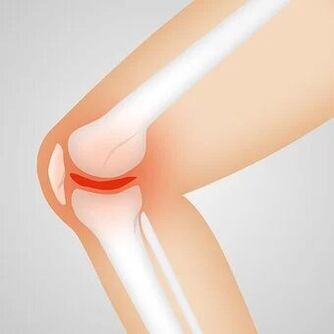 joints, characterized by degeneration of articular cartilage, marginal hypertrophy of bone tissue and changes in the synovial membrane. Most often, this pathology occurs in the elderly.
Arthritis and arthritis
Don't confuse dry joints with arthritis. According to some sources, you may find that dry joints are thought to differ from arthritis in that the first is non-inflammatory and the second is due to inflammation. In fact, arthritis is a set (umbrella term) that includes osteoarthritis, rheumatoid arthritis, and gout.
Causes of joint disease
Dry arthritis is a fairly common disease. According to some reports, more than 75% of people over 70 years old have certain signs of joint disease. While the incidence of joint disease increases with age, the disease is not only caused by aging of the joint tissue. Joint injury and other factors can accelerate the development of the pathology. Including:
- Osteoporosis;
- excess body weight;
- postmenopausal women;
- various metabolic disorders;
- endocrine diseases;
- lack of micronutrients;
- genetic predisposition;
- congenital pathology of the formation of joints (dysplasia);
- joint injury;
- regular microtrauma;
- exposure to certain toxins;
- undergoing surgical interventions on the joint, v. v.
Pathology can be primary and secondary. If the cause is not known, the joint disease is called primary (or idiopathic). If the disease occurs as a result of trauma, metabolic disorders, endocrine diseases . . . it is considered secondary.
Stages of joint disease
There are 3 stages of this disease:
- There is no pronounced morphology of joint tissues. Changes in the synovial membrane and the composition of the synovial fluid are observed.
- The cartilage and cartilage started to deteriorate. Bone tumors (pathologic growth) may occur in bones.
- It is characterized by significant deformation of the joint, pathological mobility or stiffness, as well as chronic pain (however, the latter symptoms are also often characteristic of the anterior period).
Localization and symptoms of pathology
Arthritis often affects the joints of the hand, including distal joint joints, proximal joints and the wrist-wrist joints of the thumb. Other joints commonly affected by the disease include the cervical spine, meniscus, hips, knees, and the first sternum. Osteoarthritis of the ankles, wrists, elbows, and shoulders is less common (these cases often have secondary causes). The clinical picture of the pathology usually includes the following symptoms:
- a history of joint pain;
- impaired joint function;
- swelling.
The pain usually progresses gradually, often over many years. Painful flares may be accompanied by partial or complete remission. Pain usually occurs as the joint moves and decreases with rest, at least until the disease progresses to a more severe stage. Joint stiffness is usually felt shortly after rest. It usually subsides within seconds or minutes of movement. Usually, symptoms appear in the elderly, while in people under the age of 40, joint disease usually progresses asymptomatic.
Treatment of joints
Conservative treatment for joint diseases
- rest, avoid overexertion;
- weight loss (to reduce pressure on joints);
- physical therapy, such as exercise therapy;
- supporting tools such as walking sticks, elastic support pillows;
- rational use of anti-inflammatory drugs.
In addition, patients are often treated at the spa.
Surgical treatment of joint diseases
Knee replacement
Create an alternate joint
Preventive
In order to minimize the risk of developing joint disease, it is necessary to maintain adequate physical activity, promptly treat injuries, congenital abnormalities and acquired in the biological muscles of the joint (e. g. , orthopedic foot). In addition, preventive methods include reducing excess weight (increasing joint stress).